
Root Canal Treatment in Mountain View & Atherton
What Is a Root Canal?
A root canal, also called root canal therapy, is a common endodontic procedure used to treat infection or inflammation inside a tooth. Root canal treatment can often save a natural tooth that might otherwise need to be removed.
Inside every tooth is a soft tissue called the pulp, which contains nerves and blood vessels. The pulp can become inflamed or infected because of deep tooth decay, a crack or fracture, trauma, or repeated dental procedures.
When the pulp becomes damaged, you may experience tooth pain, prolonged sensitivity to hot or cold, tenderness when biting or chewing, swelling, or other signs of infection. However, some teeth requiring root canal treatment may cause little or no noticeable symptoms.
If the pulp cannot heal on its own, your dentist or endodontist may recommend root canal treatment to remove the diseased tissue, clean the inside of the tooth, and seal the root canal system.
Why Might I Need Root Canal Treatment?
Root canal treatment may be recommended when the pulp inside a tooth becomes inflamed or infected. Common causes include:
- Deep tooth decay
- A cracked, fractured, or damaged tooth
- Trauma or an injury to the tooth
- Repeated dental procedures on the same tooth
- Bacterial infection inside the tooth
- Damage to the pulp that prevents the tooth from healing
Without treatment, an infected tooth can develop an abscess and may eventually require extraction. Treating the tooth with root canal therapy can eliminate the diseased pulp while preserving the natural tooth structure whenever possible.
What Happens During a Root Canal?
Root canal treatment is performed using local anesthesia to keep you comfortable. Dr. Shih, Dr. Olsen, Dr. Kim, and Dr. Patel use local anesthesia to help eliminate discomfort during treatment. Nitrous oxide analgesia may also be available when indicated.
During treatment, the endodontist creates an opening in the tooth to access the infected or inflamed pulp. The diseased tissue is removed, and the root canals are carefully cleaned and shaped. The canals are then filled and sealed to help prevent bacteria from re-entering the tooth.
Depending on the condition of the tooth and the complexity of treatment, root canal therapy may be completed in one or more appointments.
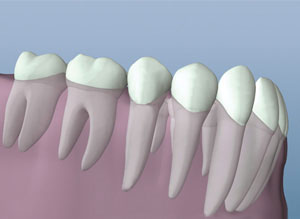
Healthy Tooth
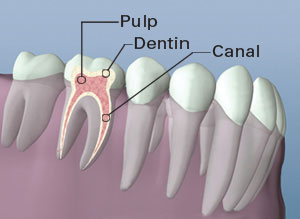
Tooth Anatomy
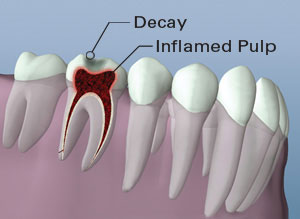
Inflammation
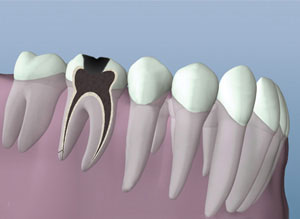
Cleaned Canals
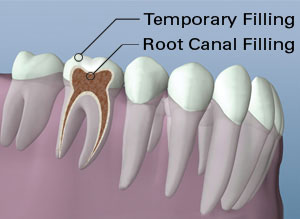
Filling Placed
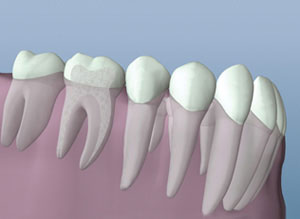
Healed Tooth
What Can I Expect After a Root Canal?
It is normal for a treated tooth to feel somewhat tender or sensitive for a few days following root canal therapy. Most patients can return to their normal activities after treatment, although you should follow any specific instructions provided by your endodontist.
Your treatment record will be sent to your restorative dentist after your root canal is completed. You should contact your dentist to arrange a follow-up appointment for the permanent restoration.
A crown or another type of restoration may be recommended to protect the treated tooth from fracture and restore its function. The type of restoration you need will depend on the location and condition of the tooth.
Continue brushing and flossing regularly and maintain good oral hygiene to help prevent new decay and protect your remaining natural teeth.
How Successful Is Root Canal Treatment?
Root canal treatment has a high rate of success and can allow you to keep your natural tooth for many years. The long-term outcome depends on factors such as the condition of the tooth, the extent of infection, the complexity of the root canal anatomy, and the quality of the final restoration.
If a tooth does not heal as expected or develops another infection, additional treatment may sometimes be possible. Your endodontist will discuss your treatment options and the expected prognosis during your consultation.
How Much Does a Root Canal Cost?
The cost of root canal treatment varies depending on several factors, including the tooth being treated, the complexity of the root canal anatomy, and the extent of infection or damage.
Although the cost of treatment varies from patient to patient, preserving a natural tooth with endodontic treatment can often be a more conservative option than extracting the tooth and replacing it with an implant or bridge.
Our team can discuss the expected treatment and costs with you before proceeding with care.
Root Canal Treatment in Mountain View & Atherton
If you have tooth pain, sensitivity, swelling, or a tooth that has been damaged or previously treated, an endodontic evaluation can help determine whether root canal treatment is appropriate. Peninsula Endodontic Group provides specialized endodontic care for patients in Mountain View, Atherton, and surrounding Bay Area communities.
Our endodontists use specialized training and technology to diagnose and treat problems affecting the inside of the tooth while helping patients preserve their natural teeth whenever possible.